Probability Explained: Percentages, Fractions, and Decimals in Betting Strategies


Probability Explained: Percentages, Fractions, and Decimals in Betting Strategies
When you step into the world of sports betting, you quickly encounter terms like odds, probability, and value. Behind those numbers lies a language that can seem confusing if you don’t understand how percentages, fractions, and decimals express the same idea in different ways. To judge whether a bet is “good,” you need to know how probability is represented—and how to turn that knowledge into strategy.
This article walks you through the three most common ways to express probability in betting and shows how to use them to make more informed decisions.
What Does Probability Mean in Betting?
Probability is about how likely an event is to happen. In betting, it’s used to estimate how realistic an outcome is—whether a team will win, a player will score, or a game will end in a draw.
Bookmakers set odds based on their assessment of probability, but they also include a margin to ensure profit. That’s why it’s useful to work backward: what probability does a given set of odds actually represent?
Læs også:




Percentages – The Intuitive Approach
Percentages are the most straightforward way to think about probability. A 50% probability means something is expected to happen half the time.
In betting, you can convert decimal odds to a percentage using the formula:
Probability (%) = (1 / odds) × 100
For example, odds of 2.00 correspond to a 50% chance (1/2 × 100). Odds of 4.00 equal 25%, and odds of 1.50 equal 66.7%.
When evaluating a bet, compare your own estimate of the probability with the bookmaker’s implied probability. If you believe the chance is higher than the odds suggest, the bet may offer value.
Fractions – The Traditional British Format
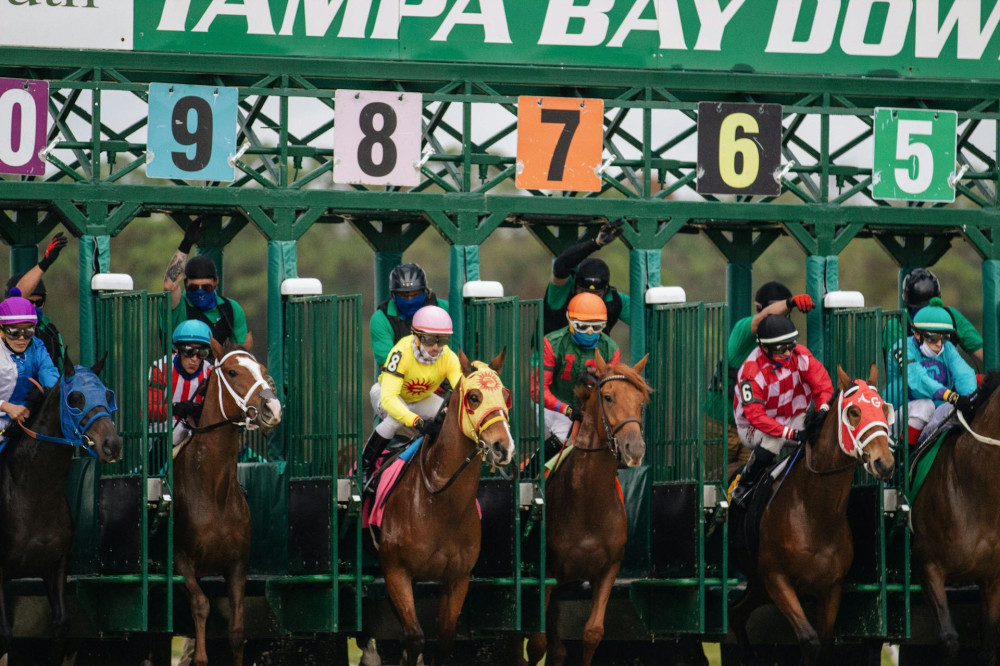
Fractional odds are common in the United Kingdom and Ireland, but you’ll still see them on some U.S. sportsbooks, especially for horse racing. They show how much you win relative to your stake.
For example, 5/1 means you win 5 units for every 1 you bet—plus your original stake back. 1/4 means you win 1 for every 4 you bet.
To convert fractional odds to decimal form, use:
Decimal odds = (numerator / denominator) + 1
So 5/1 becomes 6.00 in decimal form, and 1/4 becomes 1.25.
Even if you prefer American or decimal odds, understanding fractions helps when reading international betting analysis or historical data.
Decimals – The Global Standard
Decimal odds are now the most widely used format worldwide, especially online. They show the total payout (including your stake) per unit wagered.
For example, odds of 3.00 mean you’ll receive three times your stake if you win. This format is easy to read because it directly shows the total return.
Decimal odds also make it simple to compare bets and calculate implied probabilities, as shown earlier.
American Odds – The U.S. Favorite
In the United States, you’ll most often see moneyline odds, which use positive and negative numbers.
- Positive odds (e.g., +200) show how much profit you’d make on a $100 bet.
- Negative odds (e.g., -150) show how much you need to bet to win $100.
To convert American odds to implied probability:
- For positive odds: Probability = 100 / (odds + 100)
- For negative odds: Probability = (-odds) / ((-odds) + 100)
So +200 equals a 33.3% chance, while -150 equals a 60% chance.
Understanding how these numbers translate into probability helps you compare lines across different sportsbooks and formats.
From Probability to Strategy
Understanding probability is the first step—but the art of betting lies in using it strategically.
A key concept is value: situations where your estimated probability is higher than the bookmaker’s implied probability.
Example: If you believe a team has a 60% chance to win, the “fair” odds would be 1.67 (1/0.6). If a sportsbook offers 1.80 (or +125 in American odds), there’s theoretical value because you’re getting a better return than the probability suggests.
Over time, successful betting isn’t about being right every time—it’s about consistently finding bets where the odds are in your favor.
Common Pitfalls
Even experienced bettors can be misled by intuition. Here are some classic mistakes:
- Confusing probability with certainty. An 80% chance still fails one out of five times.
- Overestimating long shots. People tend to believe rare events happen more often than they do.
- Ignoring the bookmaker’s margin. Small differences in odds can make a big difference over the long run.
By focusing on the math rather than emotion, you can avoid these traps and make more rational decisions.
A Rational Approach to Betting
Probability isn’t just a number—it’s a way of thinking clearly about risk and reward. When you understand how percentages, fractions, decimals, and American odds connect, you gain a solid foundation for analyzing bets and building a smarter strategy.
It’s not about predicting the future with certainty; it’s about making informed judgments based on probability. And that’s where the line between luck and strategy begins to blur.
Læs også: