Historical Patterns in Motorsport – Learning from Past Seasons


Historical Patterns in Motorsport – Learning from Past Seasons
The world of motorsport is built on speed, precision, and split-second decisions. Yet behind the roar of engines and the thrill of competition lies a deeper story — one of recurring patterns, cycles of dominance, and lessons that repeat across generations. Whether you follow Formula 1, IndyCar, MotoGP, or NASCAR, looking back at past seasons can reveal trends that continue to shape the sport today. By studying history, we can better understand how success is built — and how it fades.
Cycles of Dominance and Decline
Motorsport history shows that no team or driver stays on top forever. In Formula 1, we’ve seen dynasties rise and fall — Ferrari in the early 2000s, Red Bull in the 2010s, and Mercedes in the years that followed. In NASCAR, powerhouse teams like Hendrick Motorsports and Joe Gibbs Racing have each had their eras of near-total control, only to face new challengers as technology, rules, and talent evolved.
The signs of change rarely appear overnight. A team’s decline often begins with subtle shifts — slower development, strategic missteps, or internal friction. Recognizing these early indicators can help fans and analysts anticipate when the balance of power is about to shift.
Læs også:
Technological Turning Points
Few things reshape motorsport like a rule change. When Formula 1 introduced hybrid power units in 2014, Mercedes mastered the new technology faster than anyone else, setting off a record-breaking run of championships. Similarly, NASCAR’s introduction of the Next Gen car in 2022 leveled the playing field, giving smaller teams a chance to compete more closely with the giants.
In MotoGP, innovations such as aerodynamic wings and advanced electronics have repeatedly redrawn the competitive map. The teams that adapt fastest to new regulations often gain an advantage that can last for years. History shows that innovation rewards agility — not just resources.
The Evolution of Drivers
Even the greatest drivers follow recognizable career arcs. Early years are marked by raw speed and risk-taking, followed by a period of refinement and consistency. Later, experience and strategic thinking become their greatest assets. From Lewis Hamilton’s early aggression to Jimmie Johnson’s calculated dominance, or Valentino Rossi’s blend of flair and maturity, the same rhythm appears again and again.
Understanding these phases helps explain when a driver is likely to peak — and when they might struggle to adapt to new machinery or younger rivals. The best drivers evolve with the sport, not against it.
Strategy and Adaptation Across Seasons
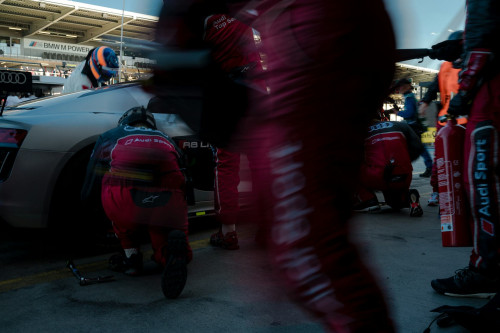
Speed alone rarely wins championships. Strategy, timing, and adaptability often make the difference. In Formula 1, teams that master tire management or safety car timing can turn an average race into a victory. In NASCAR, pit stop calls and fuel strategy have decided countless races, especially on superspeedways where drafting and caution flags can change everything.
A recurring pattern across all forms of motorsport is that the most successful teams learn faster than their competitors. They analyze mistakes, refine their approach, and return stronger. History rewards those who adapt — not necessarily those who start strongest.
Lessons from the Past
Studying motorsport’s past isn’t just about nostalgia; it’s about insight. For fans, it deepens appreciation of the sport’s complexity. For analysts, it offers clues about future trends. Looking back raises key questions:
- How did teams respond to major rule changes?
- Which drivers thrived under pressure?
- What conditions — weather, track type, or race format — most often shifted the competitive order?
The answers to these questions can help predict how upcoming seasons might unfold.
History Repeats — But Never Exactly
Motorsport is in constant motion, yet its underlying dynamics remain familiar: innovation, competition, and human ambition. By studying the patterns that have shaped past seasons, we gain a clearer view of why some teams and drivers become legends — and why others fade away.
History doesn’t give us a script, but it does offer a compass. It points toward the forces that drive success and failure, reminding us that while the details change, the essence of racing — the pursuit of perfection at the edge of control — remains timeless.
Læs også: