Grass Fields in Transition: How Wear Changes the Game’s Dynamics

Grass Fields in Transition: How Wear Changes the Game’s Dynamics
When summer tennis returns to American screens, the story isn’t just about the players—it’s also about the courts beneath their feet. Grass courts are living surfaces that evolve as a tournament unfolds. What begins as a smooth, emerald carpet gradually transforms into a patchwork of worn, brown areas where the ball bounces differently and the rhythm of play shifts. This transformation doesn’t just affect the look of the court; it changes the very nature of the game.
From Fresh Turf to Worn Ground
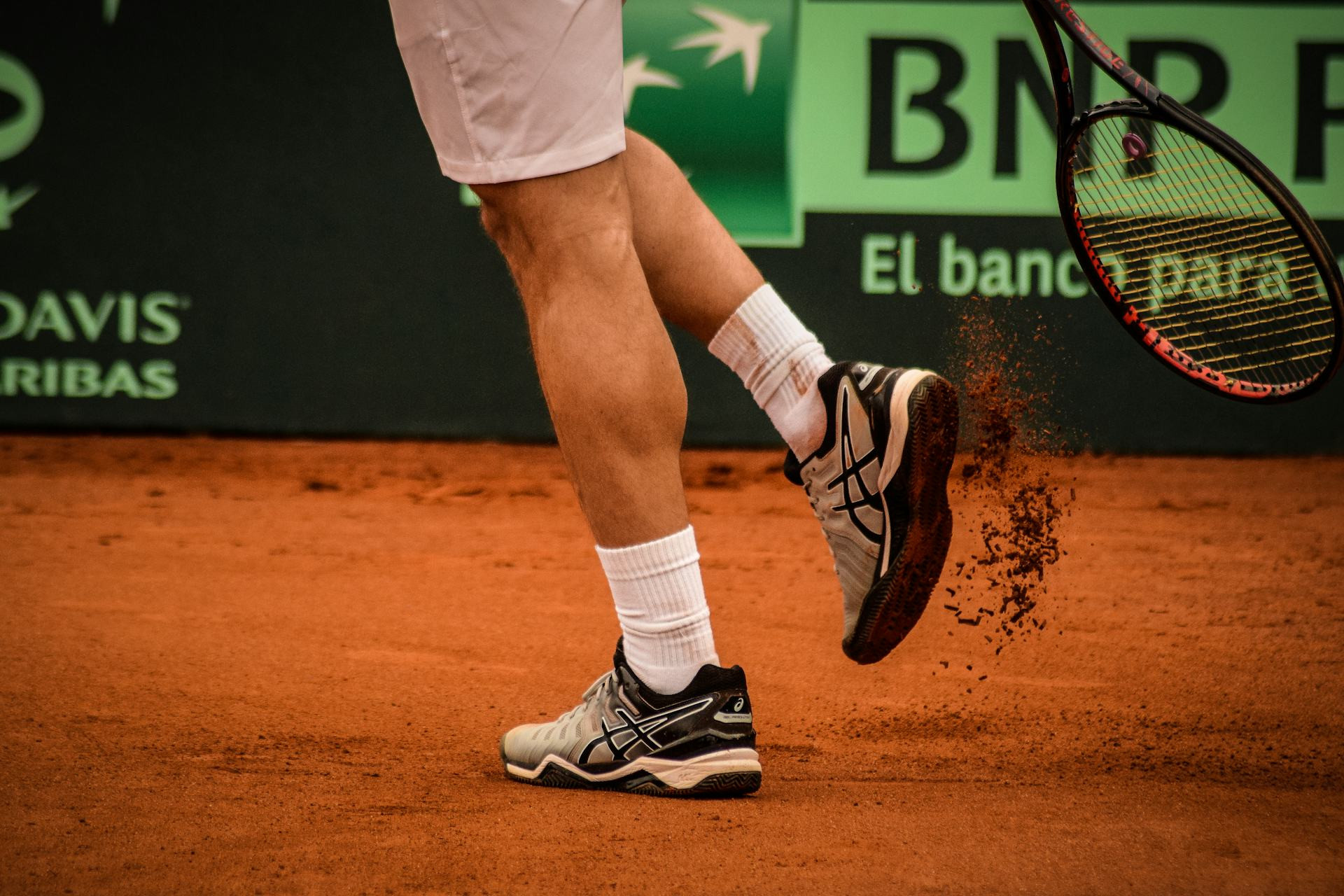
A freshly cut grass court is fast, slick, and unpredictable. The ball skims low, rewarding players with powerful serves and quick reflexes. But as matches pile up, the grass wears away—especially around the baselines and service boxes, where players move most intensely. The exposed soil alters friction, and the bounce becomes higher and less consistent.
For players, this means constant adaptation. Early in a tournament, serve-and-volley specialists often thrive, taking advantage of the quick surface. As the grass thins and the court slows, baseline players find their footing, using longer rallies and higher bounces to their advantage. The same matchup can play out very differently depending on the stage of the event.
Tactical Shifts as the Tournament Progresses
Mastering grass requires more than speed and precision—it demands awareness. Players must read the court as carefully as they read their opponents. Is the ball skidding in one corner? Has a patch near the baseline hardened? The best adjust their footwork, shot selection, and positioning with every subtle change.
- Early rounds: Fast points, short rallies, and dominance by big servers.
- Mid-tournament: Worn patches appear, requiring patience and careful shot placement.
- Final stages: The court is nearly bare, playing slower and more like clay, favoring consistency and endurance.
This gradual evolution makes grass-court tennis a tactical puzzle. Success depends not only on skill but on understanding how the surface itself is changing day by day.
The Grounds Crew’s Hidden Battle
Behind the scenes, groundskeepers wage their own quiet contest. They monitor moisture, mowing height, and soil firmness multiple times a day. Even small adjustments in watering or cutting can alter how the ball behaves.
At major U.S. grass events—like those in Newport, Rhode Island—maintenance is a science. The grass is trimmed to exact millimeters, and rest periods are carefully scheduled. Yet wear is inevitable, and that’s part of the charm. Grass courts are not static; they breathe and evolve with the game.
When the Surface Shapes the Story
Some of the sport’s most memorable grass-court matches have been defined by the state of the turf. A player who dominated early rounds may struggle for footing in the semifinals, while another, more comfortable with slower, uneven bounces, suddenly finds an edge. The surface becomes a silent participant in the drama, influencing outcomes as much as strategy or stamina.
Each match, in a sense, is played on a slightly different court than the one before. That’s what makes grass-court tennis feel like a journey—through time, through texture, through transformation.
Læs også:


A Living Part of the Game’s Soul
In an era when many sports strive for uniform conditions, the grass court stands as a reminder of sport’s organic unpredictability. It shows that competition isn’t just about power or precision—it’s about adaptation, intuition, and respect for the environment that hosts the game.
As the grass wears and the color fades, the game itself changes tempo and tone. And in that transformation lies the essence of grass-court tennis: a living dialogue between athlete, nature, and time, where every bounce tells a new story.
Læs også: