Playing Style and Outcomes: How Strategy Influences Tennis Betting


Playing Style and Outcomes: How Strategy Influences Tennis Betting
To the casual viewer, tennis might look like a straightforward contest between two athletes trading shots across a net. But beneath the surface lies a complex tactical battle where playing style, strategy, and mental resilience shape every point—and, for bettors, every wager. Understanding these elements can help tennis fans in the U.S. make more informed betting decisions and interpret odds with greater precision.
Playing Style: The Foundation of Every Match
Tennis players can generally be grouped into a few broad playing styles, each with distinct strengths and weaknesses.
- The Baseline Player – Prefers to rally from the back of the court, relying on consistency, patience, and endurance. These players often win by forcing opponents into errors.
- The Serve-and-Volley Player – Attacks the net immediately after serving, aiming to shorten points. This style thrives on fast surfaces like grass but is less common in today’s game.
- The All-Court Player – Blends both approaches, adapting tactics to the opponent and surface.
For bettors, understanding how two styles interact is crucial. A defensive baseliner might struggle against an aggressive attacker on grass, while the same matchup could tilt the other way on clay, where longer rallies favor defense and stamina.
The Surface Factor
Court surface is one of the most influential variables in tennis—and in tennis betting.
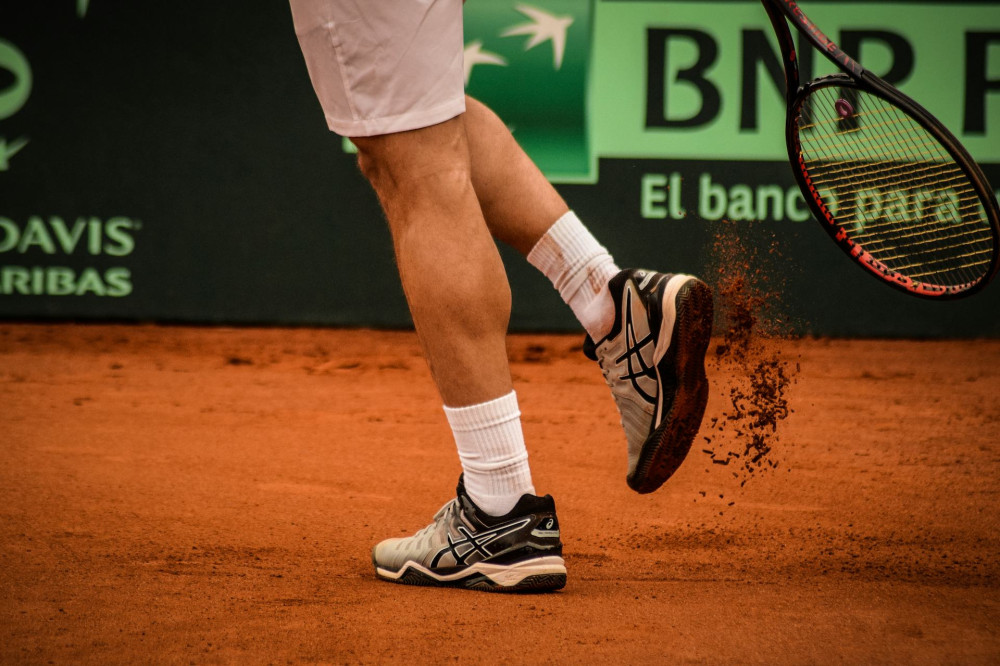
- Clay slows the ball and produces longer rallies, rewarding players with patience and strong defensive skills.
- Grass speeds up play, favoring big servers and those comfortable finishing points at the net.
- Hard Courts offer a balance between the two, demanding versatility and adaptability.
When evaluating a match, bettors should look beyond player rankings and consider surface-specific performance. A player dominant on clay may not replicate that success on grass, where the ball skids and bounces lower. Historical data on surface performance can often reveal hidden value in the odds.
Tactical Patterns and Momentum
Tennis is a sport of rhythm and momentum. A player who finds their groove can suddenly dominate several games in a row, even against a higher-ranked opponent. Skilled players use tactical adjustments—changing serve placement, varying shot pace, or attacking earlier in rallies—to disrupt their opponent’s rhythm.
For live bettors, recognizing these momentum shifts can be a major advantage. Watching how a player responds to adversity—whether they adapt or unravel—can inform in-play wagers and help identify turning points before the odds adjust.
Statistics and Strategy: A Combined Approach
Modern tennis analysis merges data with tactical insight. Metrics like first-serve percentage, break point conversion rate, and unforced errors reveal how players perform under pressure. But numbers alone don’t tell the full story.
A low first-serve percentage might reflect a deliberate choice to serve more aggressively, while a high error count could stem from an offensive strategy designed to dictate play. Successful bettors interpret statistics in context, asking why the numbers look the way they do rather than taking them at face value.
Læs også:



The Mental Game
Tennis is as much psychological as it is physical. The ability to handle pressure, maintain focus, and stay composed in key moments often separates winners from losers. Some players thrive in tiebreaks or under the spotlight of major tournaments, while others falter when the stakes rise.
For bettors, understanding a player’s mental profile can be just as important as analyzing their forehand or serve. In high-pressure events like the U.S. Open, mental toughness can be the deciding factor—and a valuable insight when assessing betting opportunities.
From Analysis to Insight
Understanding tennis strategy isn’t just about predicting who will win—it’s about anticipating how a match will unfold. A defensive player might extend rallies and push the total games higher, while an aggressive shot-maker could end points quickly, influencing set or game totals.
The more deeply you understand the interplay between playing style, surface, tactics, and mental strength, the more informed your betting decisions become. For U.S. tennis fans and bettors alike, strategy isn’t just part of the game—it’s the key to seeing the sport, and the odds, in a whole new light.
Læs også: