Home Court, Away Games, and Patterns: The EuroLeague’s Unique Dynamic


Home Court, Away Games, and Patterns: The EuroLeague’s Unique Dynamic
When it comes to top-level basketball outside the United States, one competition stands above the rest: the EuroLeague. Bringing together the best clubs from across Europe, it offers a brand of basketball that’s both tactical and emotional, steeped in local culture and fierce rivalries. But behind the highlight plays and dramatic finishes lies a pattern that defines the league’s rhythm — the contrast between home and away games. It’s one of the most distinctive features of the EuroLeague’s competitive landscape.
The Power of Home Court
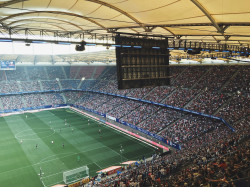
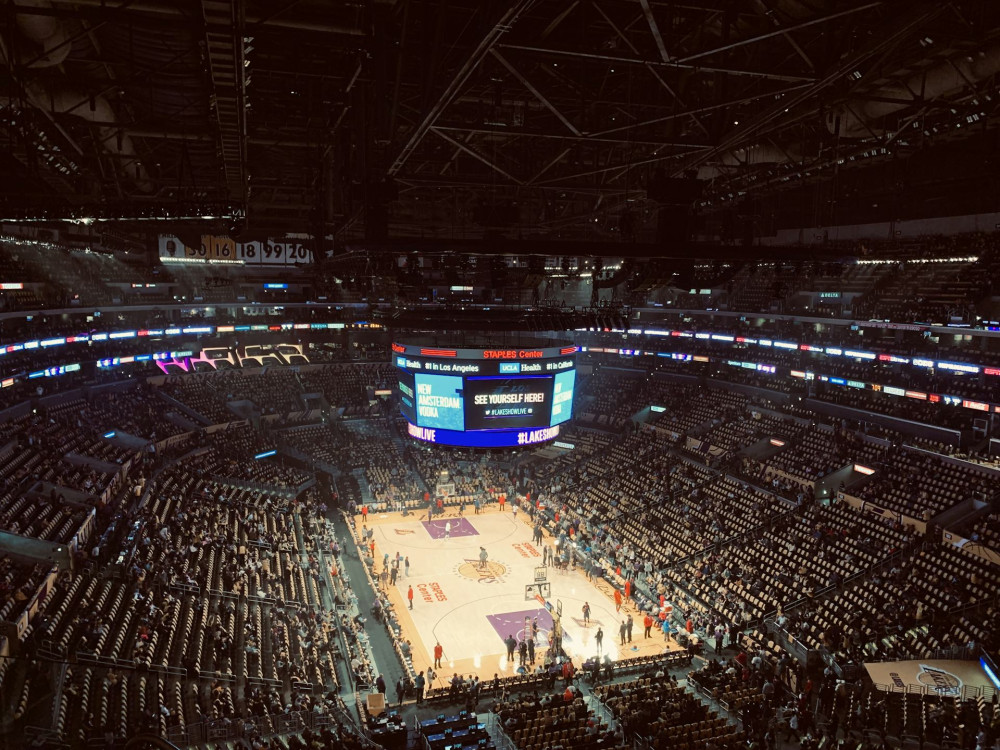
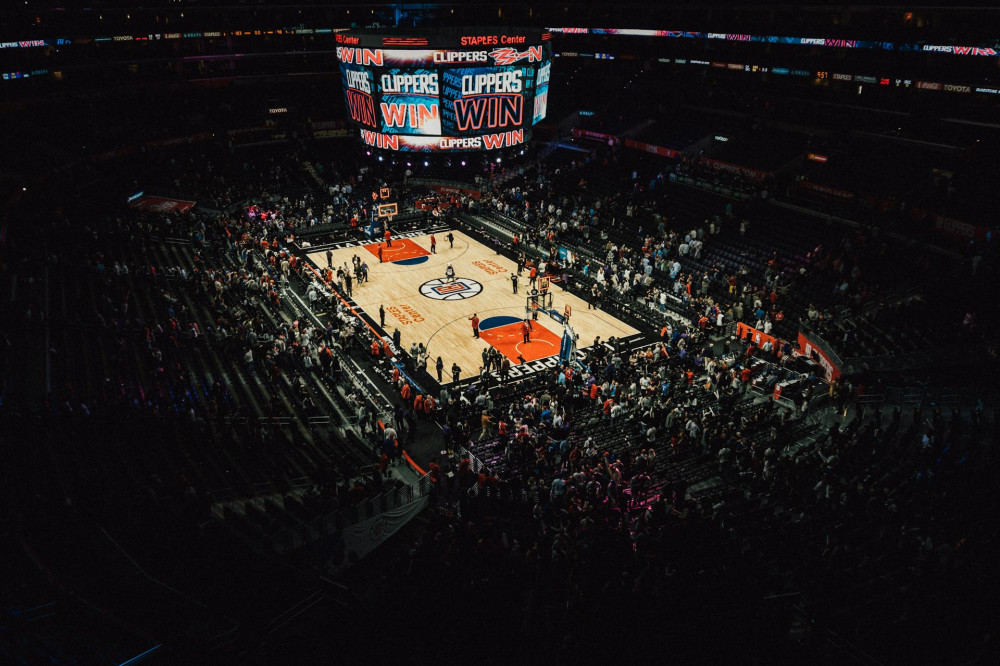
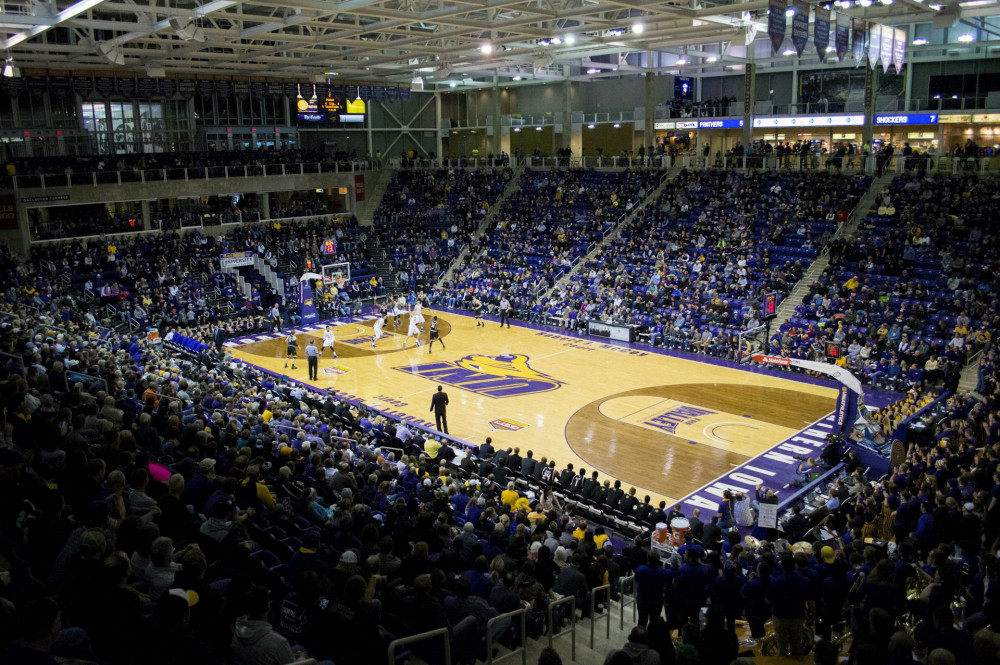
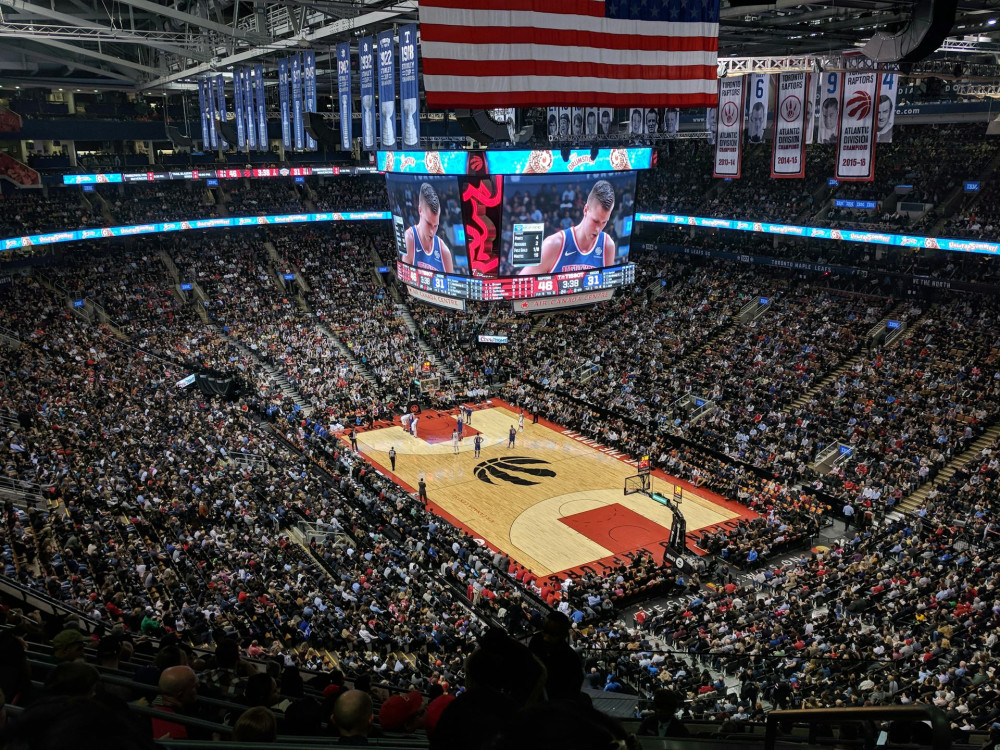
Playing at home in the EuroLeague is more than just an advantage — it’s often a transformative experience. European arenas are known for their intensity: fans waving flags, chanting nonstop, and creating an atmosphere that can feel almost overwhelming to visiting teams. In cities like Belgrade, Istanbul, and Athens, the home court is a fortress, and victories there are often fueled as much by emotion as by execution.
Historically, EuroLeague home teams win roughly two-thirds of their games. That edge comes not only from the crowd but also from the challenges of travel — long flights, time zone changes, and cultural differences that can disrupt a team’s rhythm. For many clubs, maintaining dominance at home is the foundation of a successful season.
Læs også:


The Challenge of the Road
Road games in the EuroLeague test a team’s resilience. The travel schedule can be grueling: one week a team might play in Tel Aviv, then fly to Kaunas or Madrid just days later. Fatigue, unfamiliar environments, and hostile crowds all play their part. Coaches often talk about “surviving the road trip” — minimizing injuries, staying focused, and stealing a few key wins that can make the difference in the standings.
For many teams, the formula is simple: protect home court and find a way to win a handful of away games. Those rare road victories often carry extra weight, both in the standings and in team confidence.
Patterns in Play — and in Psychology
The EuroLeague is not just a contest of talent but of styles and mentalities. Spanish clubs like Real Madrid and Barcelona often emphasize fluid, high-paced offense, while Greek and Serbian teams tend to rely on physical defense and tactical discipline. These stylistic contrasts become even more pronounced when teams face each other on their respective home courts.
There’s also a psychological dimension. Some teams thrive under pressure, using the energy of a hostile crowd as motivation. Others struggle to find rhythm when the noise turns against them. Veteran players and coaches often make the difference here — staying composed when the environment is anything but calm.
Data and Trends — What the Numbers Reveal
In recent seasons, the traditional home-court advantage has started to narrow. Improved travel logistics, better recovery methods, and the growing professionalism of players have made it easier to perform on the road. Many clubs now invest heavily in sports science, nutrition, and mental preparation to help players adapt quickly to changing conditions.
Still, home court remains a decisive factor, especially in the playoffs. When margins are razor-thin, one game in a packed, deafening arena can swing an entire series.
The EuroLeague’s Unique Rhythm
What sets the EuroLeague apart is its rhythm. Unlike the NBA’s marathon schedule, the EuroLeague is compact and unforgiving. Every game matters, and there’s little room for error. Teams study each other meticulously, searching for patterns — how opponents handle pressure, how they perform away from home, and how they adapt to different styles of play.
For fans and analysts alike, this complexity is part of the appeal. The EuroLeague isn’t just about athleticism; it’s about strategy, adaptation, and the mental toughness required to win in wildly different environments.
A Competition Where Everything Connects
The EuroLeague is a reflection of Europe itself — diverse, passionate, and deeply rooted in local identity. Home and away games aren’t just logistical details; they’re cultural experiences that shape the league’s character. Each matchup is a journey across borders, languages, and traditions, where familiar patterns repeat but never quite the same way.
That’s what makes the EuroLeague so unpredictable — and so captivating. No matter how much data you analyze or how carefully you plan, there’s always room for the unexpected. And in that uncertainty lies the magic that keeps fans coming back, season after season.
Læs også: