When the Weather Changes the Game – and the Odds in Baseball

When the Weather Changes the Game – and the Odds in Baseball
Baseball is a sport defined by fine margins — and few factors influence those margins more subtly than the weather. Wind, temperature, and humidity don’t just affect how players perform; they shape how the ball travels, how pitchers grip, and how games unfold. For coaches, players, and fans — including those who follow the betting markets — understanding how weather interacts with the game can be the key to predicting outcomes more accurately.
The Hidden Power of the Wind
Wind direction and speed can completely change the character of a game. A strong tailwind can turn routine fly balls into home runs, while a stiff headwind can keep even the hardest-hit balls inside the park. At stadiums like Wrigley Field in Chicago, where the wind can shift dramatically from one day to the next, the same matchup can produce wildly different results depending on the conditions.
For oddsmakers and bettors, wind data is essential. A day with a strong breeze blowing out to center field might push the expected total runs higher, while a day with the wind blowing in could signal a lower-scoring affair. It’s no coincidence that experienced analysts check the weather forecast before setting or evaluating lines.
Temperature and the Flight of the Ball
Temperature plays a bigger role than many realize. Warm air is less dense than cold air, allowing the ball to travel farther on hot days. A midsummer game in Arlington or Phoenix can produce a very different offensive environment than a chilly April evening in Boston or Minneapolis.
Temperature also affects players physically. Pitchers may struggle to maintain their grip in humid or sweaty conditions, while hitters can benefit from the ball “jumping” more off the bat in the heat. These small differences can tilt the balance of a game — and in baseball, small differences often decide the outcome.
Læs også:


Humidity and the Feel of the Ball
Humidity influences both the weight and texture of the baseball. In dry air, the ball becomes lighter and carries farther; in humid air, it feels heavier and doesn’t travel as well. That’s one reason why Coors Field in Denver — already known for its thin, high-altitude air — stores baseballs in a humidor to keep conditions consistent.
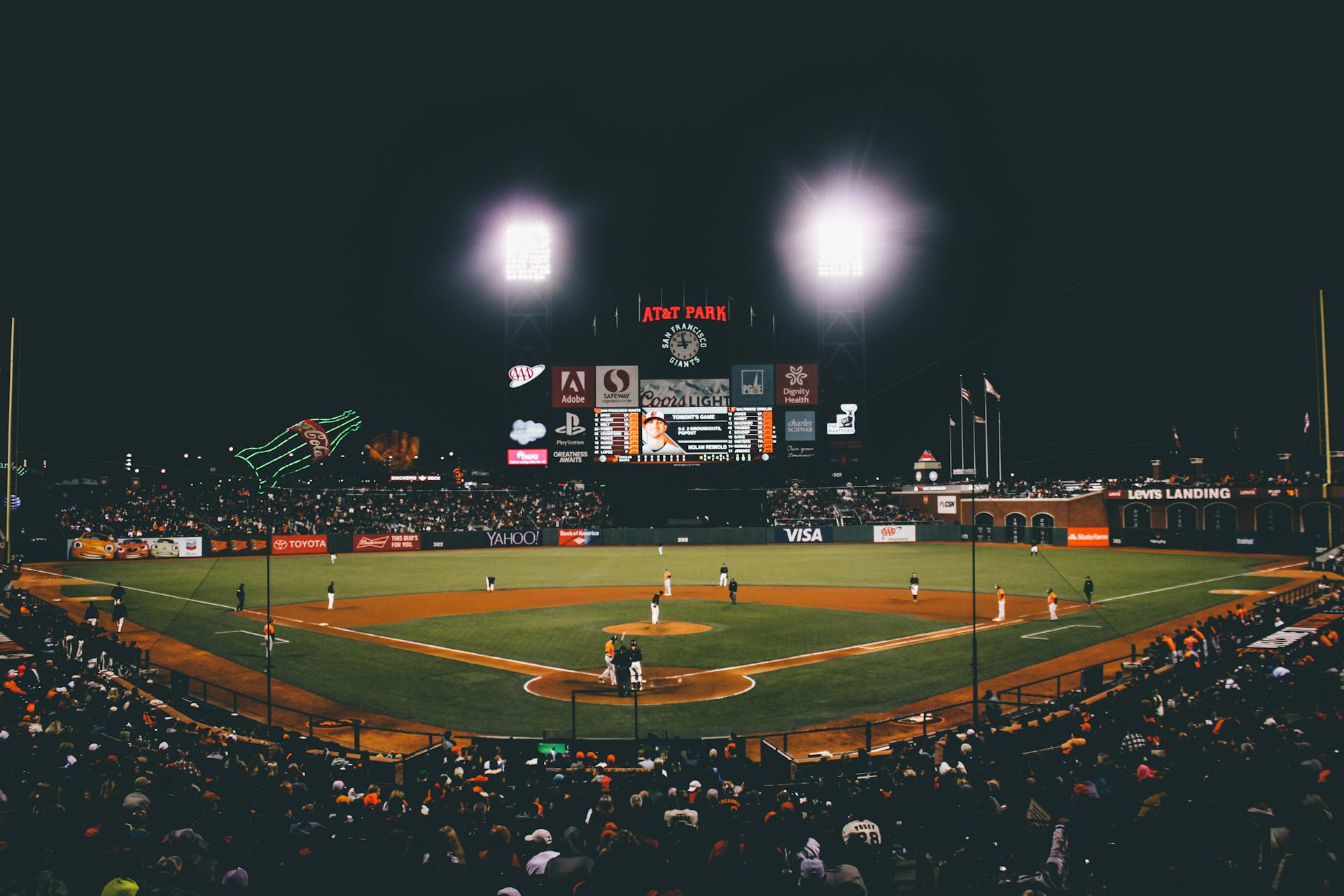
For those analyzing games, knowing a stadium’s environmental quirks is crucial. A matchup in Denver, where the air is dry and the ball flies, tends to produce more runs than one in San Francisco, where the cool, moist air and ocean breeze can suppress offense.
Rain, Delays, and Strategic Shifts
Rain doesn’t just interrupt a game — it can change its entire strategy. A mid-game delay might force a starting pitcher out early, bringing the bullpen into play sooner than expected. That can dramatically alter the balance between teams, especially if one bullpen is weaker or overworked.
Fans and bettors alike should keep an eye on radar maps and managerial decisions. A rain delay can turn a seemingly safe bet into a risky one if it disrupts pitching plans or momentum. In a sport where rhythm and routine matter, weather interruptions can be game-changers.
When Data Meets Nature
Modern baseball thrives on data — from launch angles to spin rates — but even the most advanced models must account for the weather. Many professional analysts now integrate meteorological data into their predictive systems to refine expected outcomes.
For the average fan or bettor, it’s not about becoming a meteorologist. It’s about recognizing the patterns: wind, temperature, and humidity all shape the game and, by extension, the odds. Those who understand how nature interacts with baseball can often spot trends others miss.
The Weather as the Invisible Player
Baseball is played under open skies, and that’s part of what makes it so unpredictable — and so captivating. The weather is the invisible player, influencing every pitch, every swing, and every outcome. For those who love the game, whether for the strategy, the spectacle, or the numbers, it’s worth remembering that nature always has a seat at the ballpark.
Læs også: