Emotions and Expectations: When Horse Racing Odds Are Overestimated

Emotions and Expectations: When Horse Racing Odds Are Overestimated
When it comes to betting on horse racing, it’s rarely just about numbers and probabilities. For many fans, it’s an emotional experience—a mix of excitement, hope, and intuition. But those same emotions can lead us to overestimate the odds and believe we have a better chance of winning than we actually do. In this article, we’ll explore why that happens and how to keep a more realistic perspective on the game.
When the Heart Races Ahead of Reason
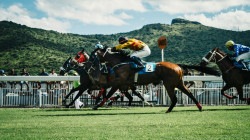
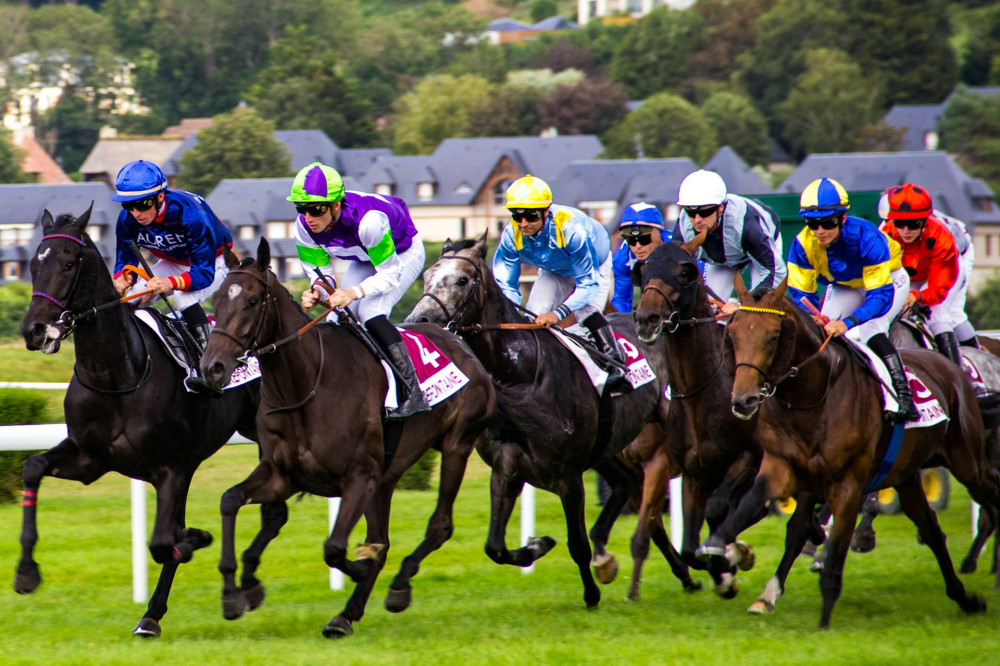
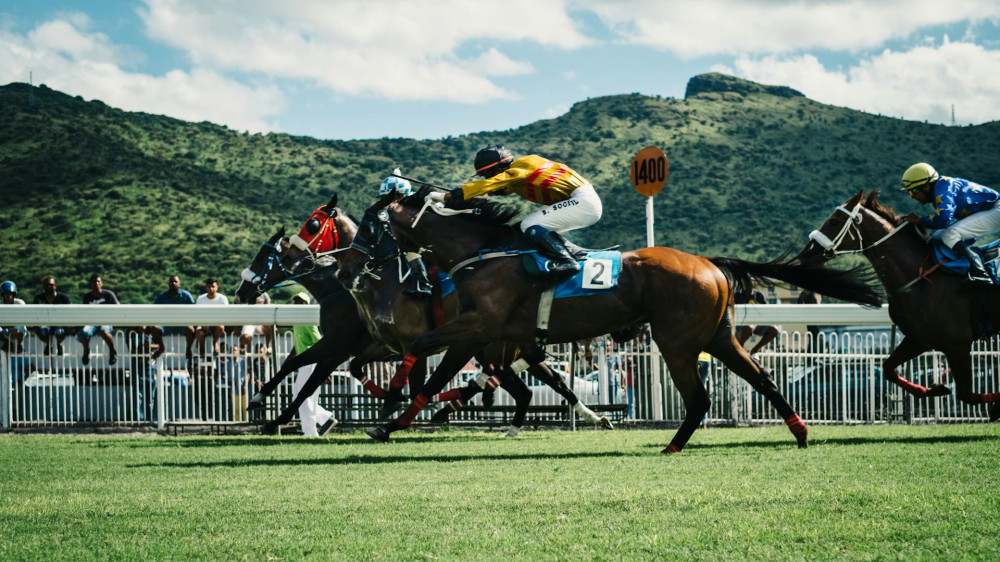
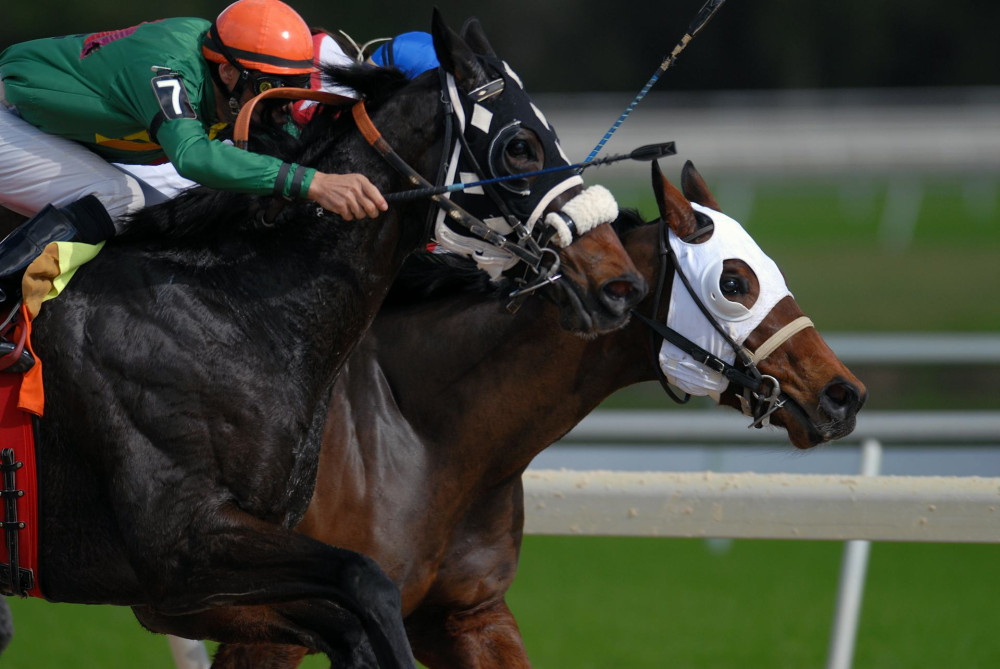
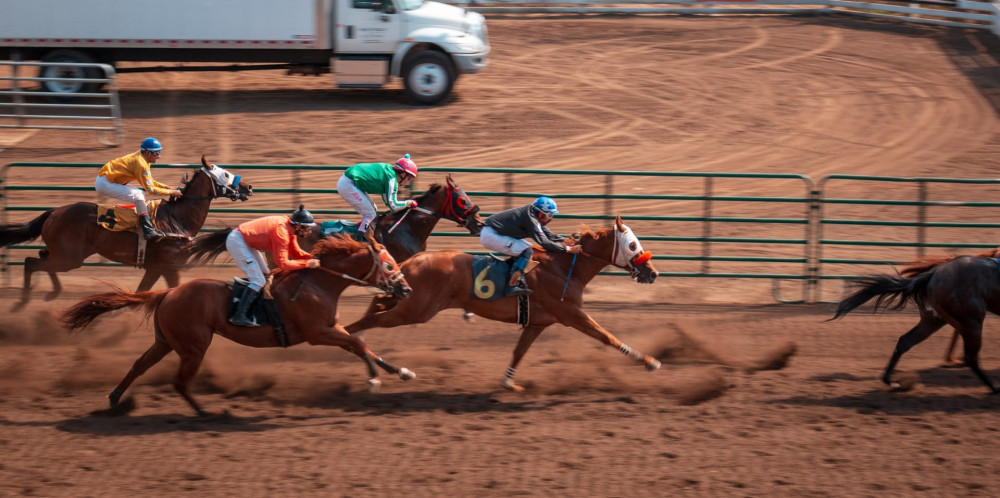
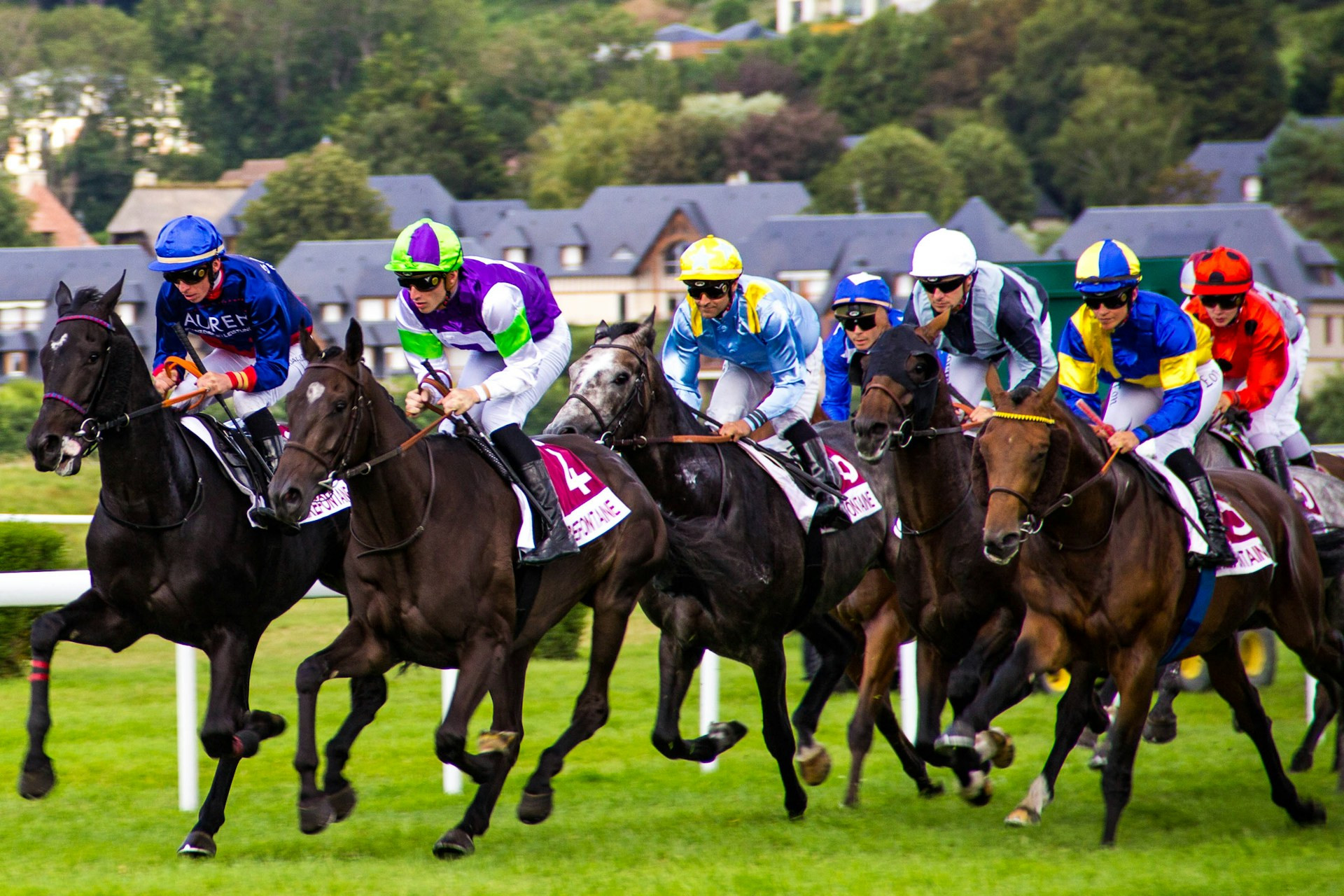
Horse racing in the United States is steeped in tradition and drama. From the Kentucky Derby to the Breeders’ Cup, every race carries its own storylines—about the horses, the trainers, and the jockeys. It’s easy to get emotionally invested. Maybe you’ve followed a particular horse through several meets, or you feel that a certain underdog “deserves” a win.
But emotions can distort judgment. When we want a specific outcome, we tend to overestimate the likelihood of it happening. Psychologists call this wishful thinking, and it’s one of the most common traps in betting.
The Favorite Trap and the Illusion of Safety
Many bettors overvalue the favorites. It feels safe to back the horse everyone else believes in, especially when the odds are short. Yet, statistically, favorites don’t always offer the best value. Over time, data show that the betting market often overestimates their chances because so much money flows toward them.
On the other hand, long shots—those with high odds—can sometimes be undervalued. That doesn’t mean they win more often, but when they do, the payout can outweigh the risk. Spotting those opportunities requires a cool head and the ability to separate gut feelings from genuine analysis.
The Psychology of Expectation
The thrill of betting activates the brain’s reward system. Even before the race begins, the anticipation of a possible win releases dopamine—the same chemical linked to pleasure and motivation. This means we can feel rewarded just by imagining a victory, regardless of the outcome.
That psychological rush can lead us to bet more than we planned or to believe we were “close” to winning even when we lost. It’s part of why many bettors overrate their own predictive skills and underestimate the role of chance.
Data, Analysis, and the Cold Reality
Professional handicappers try to keep emotions out of the equation. They rely on data: past performances, track conditions, jockey statistics, and speed figures. But even the most seasoned experts know that luck always plays a part.
Understanding odds isn’t just about picking winners—it’s about assessing whether the odds reflect true probability. If a horse has a 20% chance of winning but the odds imply only a 10% chance, that’s a good bet. If the reverse is true, it’s not, no matter how much you “feel” it’s the horse’s day.
Læs også:
Keeping a Clear Head
Responsible betting doesn’t mean removing the fun—it means recognizing your own biases. Here are a few ways to avoid overestimating the odds:
- Set a budget and stick to it, no matter how the races go.
- Track your bets to see where you tend to overrate your chances.
- Separate emotion from evidence—ask yourself if you’re betting because you believe in the horse or because you want it to win.
- Accept uncertainty—even the best analysis can’t predict everything.
When you view betting as a mix of knowledge, probability, and entertainment—rather than a guaranteed path to profit—the experience becomes both more realistic and more rewarding.
The Dual Nature of the Game
Horse racing captivates us because it blends sport, strategy, and emotion. It’s human to get caught up in the moment, but it’s also human to learn from our mistakes. By understanding how our expectations shape our perception of odds, we can become smarter bettors—and, perhaps most importantly, keep the joy of the sport alive without being misled by illusion.
Læs også: