The Odds as the Community’s Assessment of the Race
The Odds as the Community’s Assessment of the Race
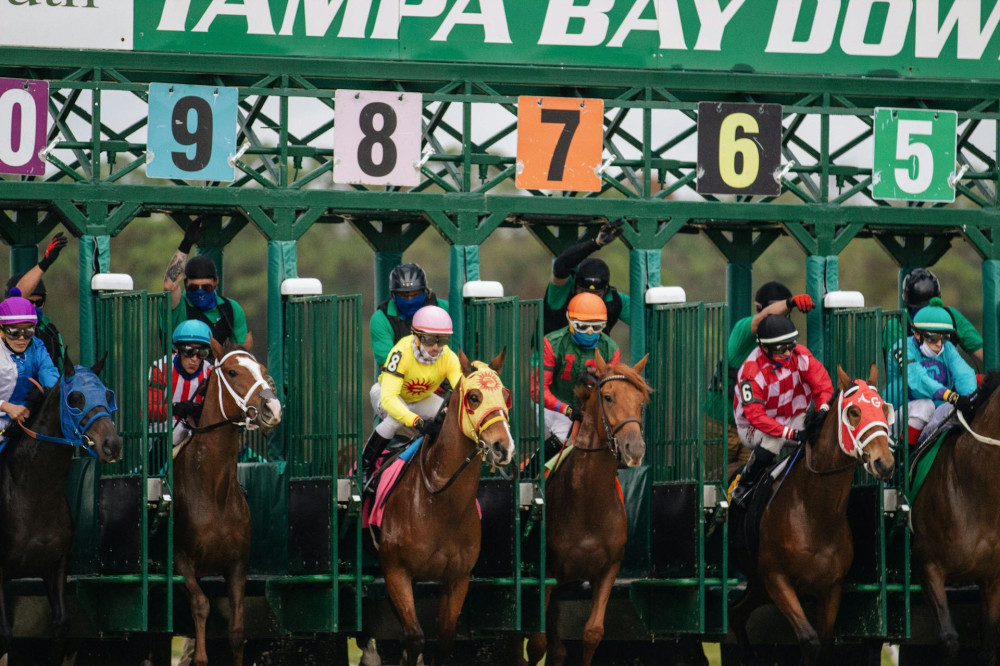
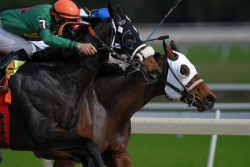
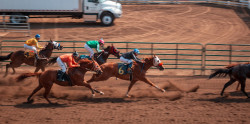
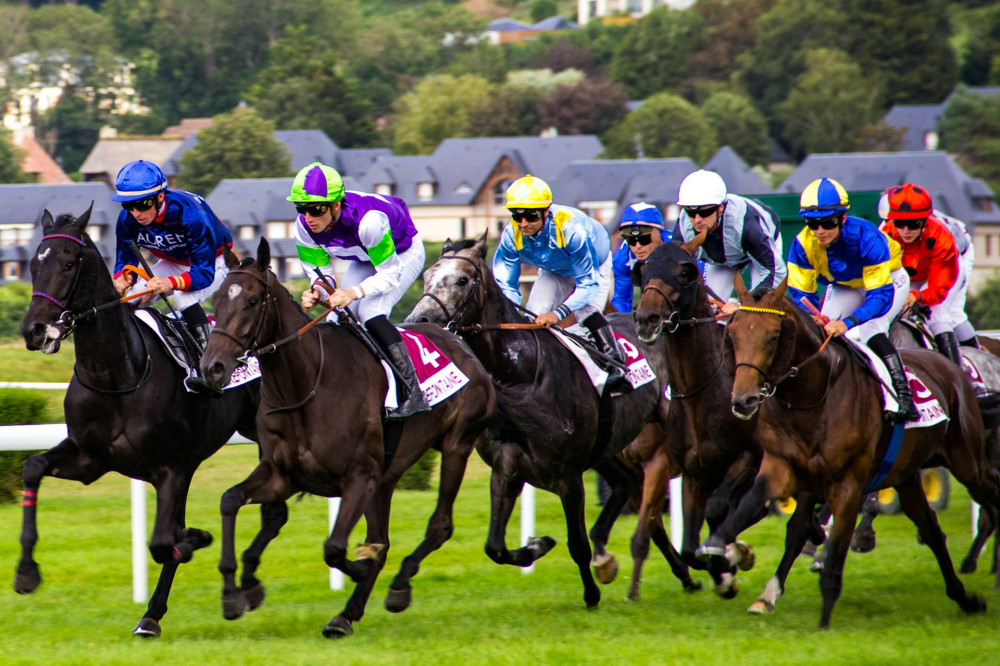
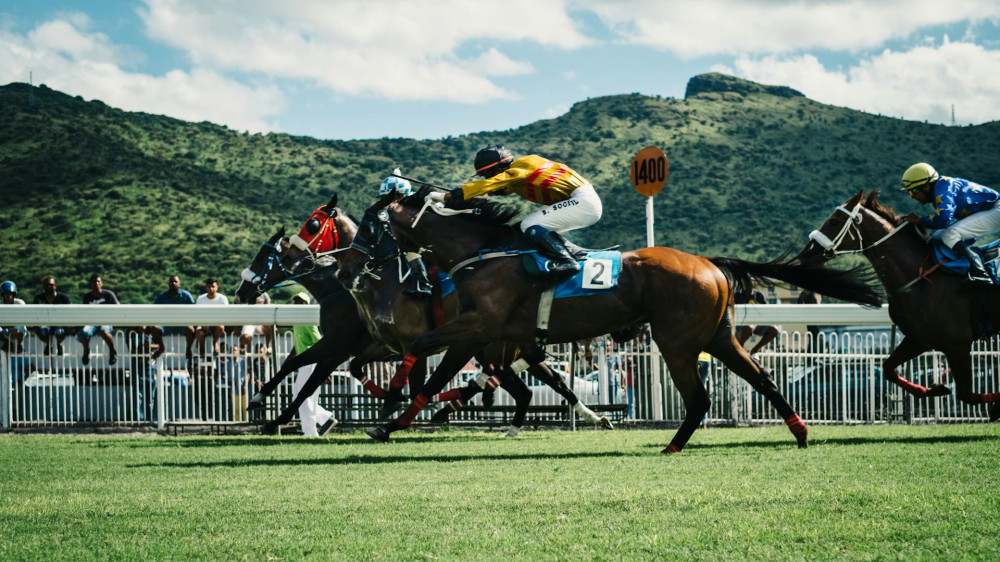
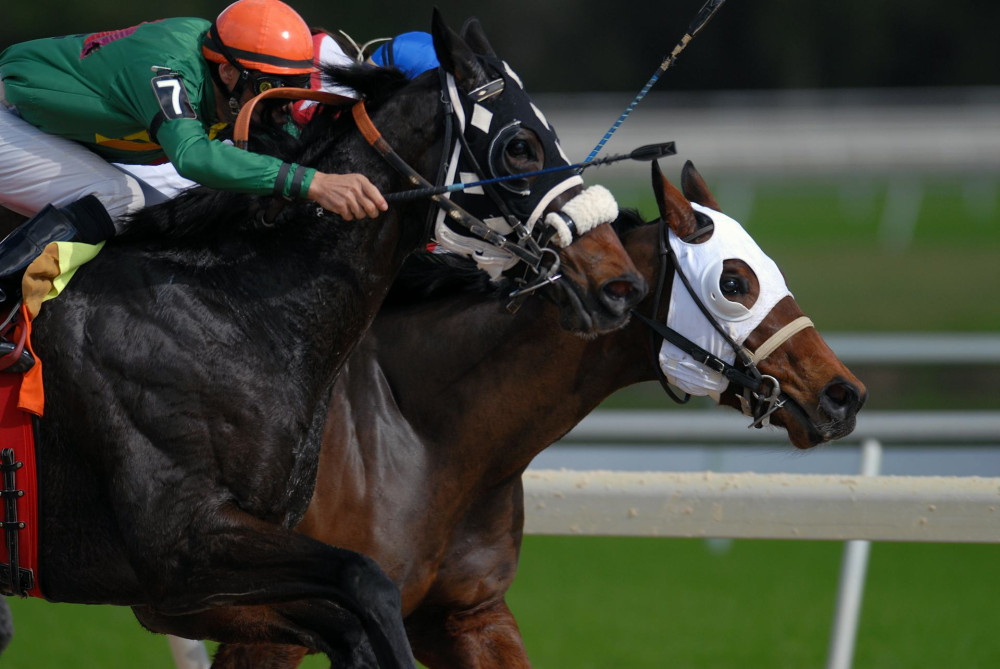
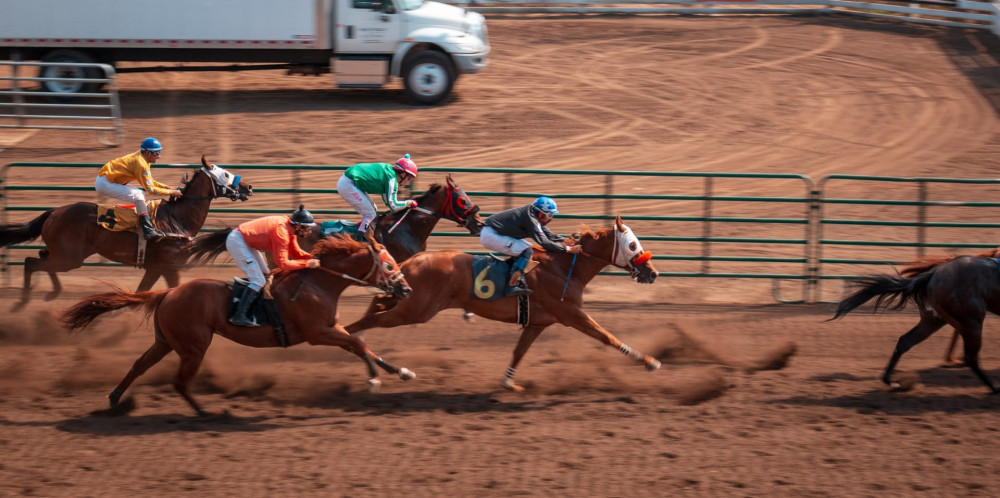
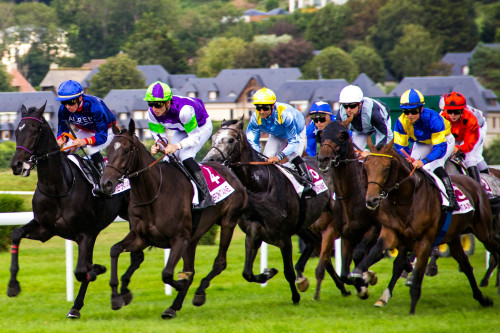
When you stand by the rail at a horse track, it’s not just the horses that are competing. The crowd is too — in thought, in judgment, and in the small wagers placed with hope and calculation. The odds, those ever-shifting numbers on the board, are more than just a reflection of potential payouts. They are the community’s collective assessment of the race — a snapshot of where confidence gathers and where doubt lingers.
A Collective Mirror of Expectations
In horse racing, the odds are the product of countless individual evaluations. Every bettor brings their own analysis to the pool: the horse’s form, the jockey’s skill, the trainer’s record, the track conditions, even the weather. When all these opinions merge, they create a shared picture — a kind of collective average of what the public believes will happen.
That’s why the odds can be seen as the voice of the crowd. They tell us who the favorite is and who the long shot might be. But they also reveal how much trust the public places in each horse. Low odds mean many believe in a win; high odds mean few do.
When the Crowd Gets It Wrong
The beauty of horse racing lies in the fact that the crowd isn’t always right. History is full of races where the favorite stumbled and an overlooked outsider surged ahead to victory. That tension — between the likely and the possible — is what keeps the sport alive and thrilling.
For the seasoned bettor, this is where the art lies: recognizing when the crowd has overestimated one horse or underestimated another. Finding those small cracks in the collective judgment is where value hides — and where insight can turn into reward.
Odds as a Social Dynamic
At the track, the odds are not static numbers; they’re social creatures. They move as people talk, share tips, or watch a horse warm up. A single comment in the stands can ripple through the crowd, shifting bets and changing the board. It’s a living market, where information, intuition, and emotion flow freely.
In that sense, a day at the races is like a miniature society. Everyone participates in a shared evaluation, yet each person brings their own perspective. Some bet with their hearts, others with their heads — and together they create a picture that is both rational and deeply human.
From Track to Screen – A Changing Community
Today, much of the betting happens online, but the principle remains the same. When thousands of players place their wagers through apps and websites, they still form a collective view of the race’s probabilities. The difference is that the community is now spread across the country, and reactions happen faster than ever.
Still, the old spirit endures. Many fans follow the races together — at the track, in bars, or through live streams — discussing the odds as if they were part of a shared sport. That’s where the fascination lies: in being part of a community that both competes and collaborates in trying to understand the race.
Læs også:
A Judgment That Never Stands Still
The odds are never a final verdict; they’re a movement. They shift as new information arrives and as sentiment changes. They are a momentary reflection of what the community believes — but never a guarantee of what will happen.
And perhaps that’s what makes horse racing so captivating: you’re playing against both chance and the collective wisdom of the crowd. You’re part of the whole — yet always searching for that one insight the others might have missed.
Læs også: