Horse Racing for Beginners: Understanding the Sport and How It Works

Horse Racing for Beginners: Understanding the Sport and How It Works
Horse racing is one of the world’s oldest and most thrilling sports—a blend of speed, strategy, and the remarkable partnership between human and horse. For many Americans, it’s a tradition-rich pastime that combines athleticism, excitement, and social atmosphere. But how does the sport actually work, and what should newcomers know before attending their first race? Here’s a beginner’s guide to understanding the basics of horse racing in the United States.
A Sport with Deep Roots
Horse racing has been part of human culture for thousands of years, dating back to ancient civilizations. In the U.S., the sport took hold in the 18th century and has since evolved into a major industry with iconic events like the Kentucky Derby, Preakness Stakes, and Belmont Stakes—collectively known as the Triple Crown.
While the rules and race formats can vary, the core idea remains simple: determine which horse is the fastest and which jockey can best guide it to victory.
The Main Types of Horse Racing
In the United States, horse racing primarily takes two forms:
-
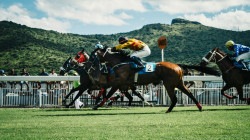
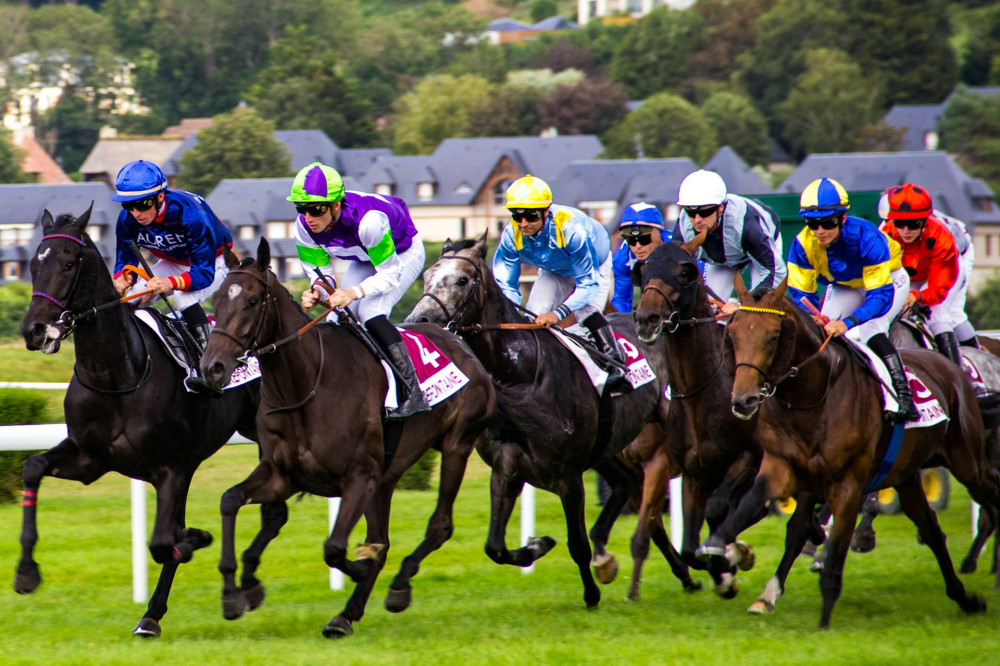
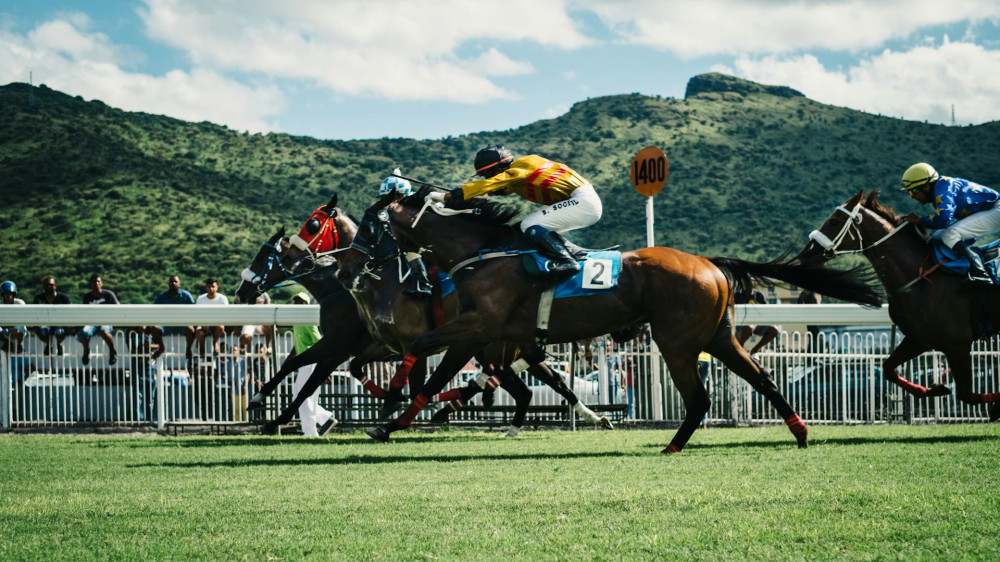
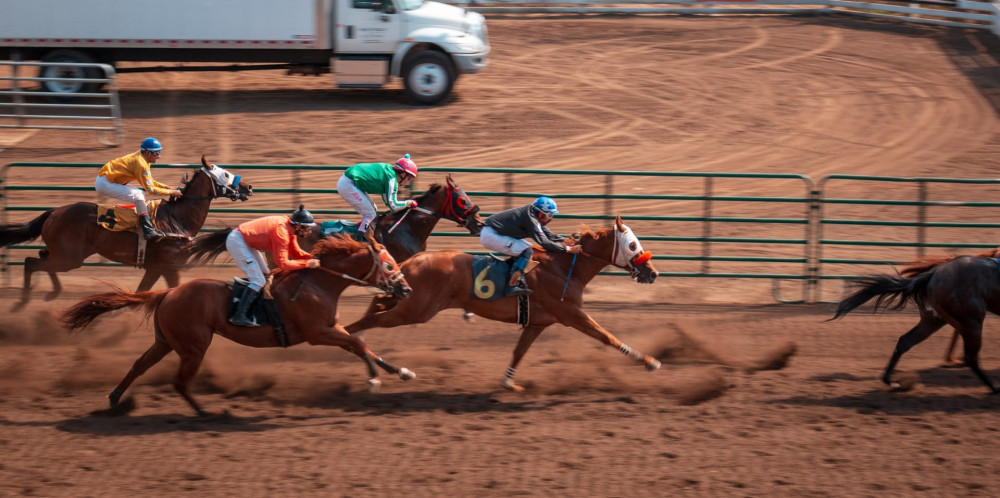
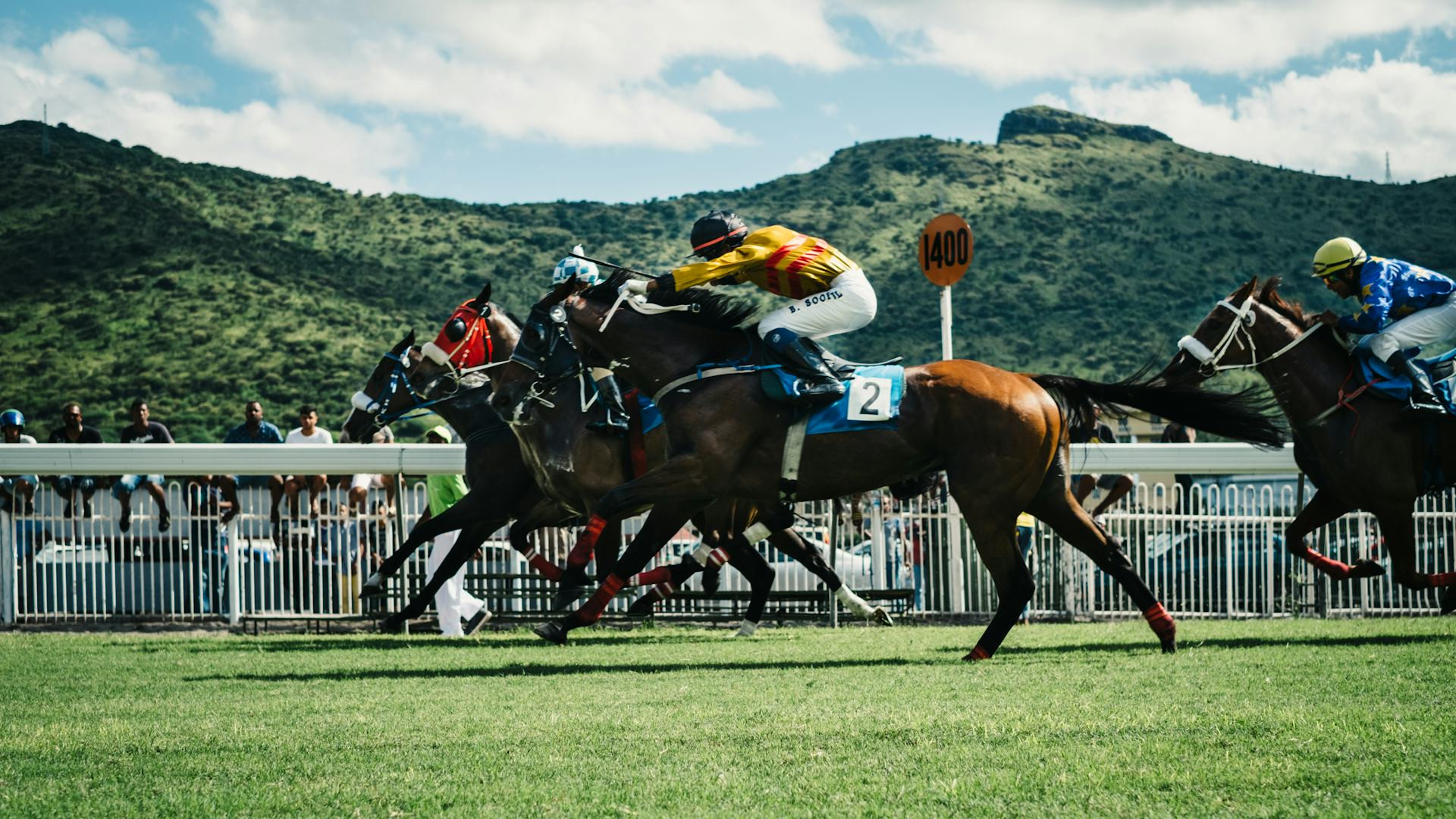
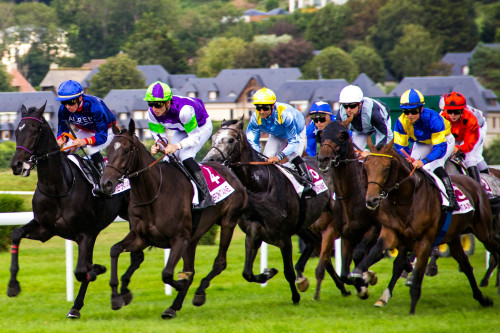
Thoroughbred Racing: This is the most popular and widely recognized type. Horses run at a gallop with a jockey on their back, competing on dirt or turf tracks. Races range from short sprints to longer endurance tests. Major tracks include Churchill Downs in Kentucky, Belmont Park in New York, and Santa Anita Park in California.
-
Harness Racing: In this form, the horse pulls a lightweight two-wheeled cart called a sulky, driven by a driver rather than a jockey. The horse must maintain a specific gait—either a trot or a pace—and breaking into a gallop can lead to disqualification. Harness racing is especially popular in states like New York, Ohio, and Pennsylvania.
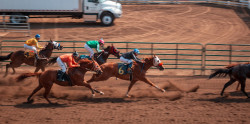
There are also steeplechase races, where horses jump over fences and ditches, though these are less common in the U.S. than in Europe.
The Horse – The True Athlete
Racehorses are elite athletes trained for speed, stamina, and focus. The most common breed in American racing is the Thoroughbred, known for its explosive acceleration and competitive spirit. In harness racing, Standardbreds dominate, valued for their endurance and steady gait.
A racehorse’s training is rigorous and carefully managed. Trainers, grooms, veterinarians, and exercise riders all play vital roles in keeping the horse healthy and ready to perform. Most racehorses begin competing at two or three years old and may continue racing for several seasons before retiring to breeding or other equestrian careers.
Læs også:
Jockeys and Drivers – The Strategists
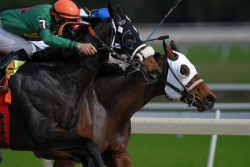
While the horse provides the power, the jockey or driver provides the strategy. A skilled jockey must judge pace, position, and timing—knowing when to hold back and when to make a move. In harness racing, the driver must maintain the horse’s gait while navigating through tight fields and seizing opportunities to advance.
Both roles require exceptional balance, strength, and intuition. The connection between horse and rider (or driver) is built on trust and communication, often developed over months of training together.
How a Race Works
A typical race day follows a familiar rhythm:
- Paddock and Warm-Up – Horses are paraded before each race, giving spectators and bettors a chance to assess their condition and demeanor.
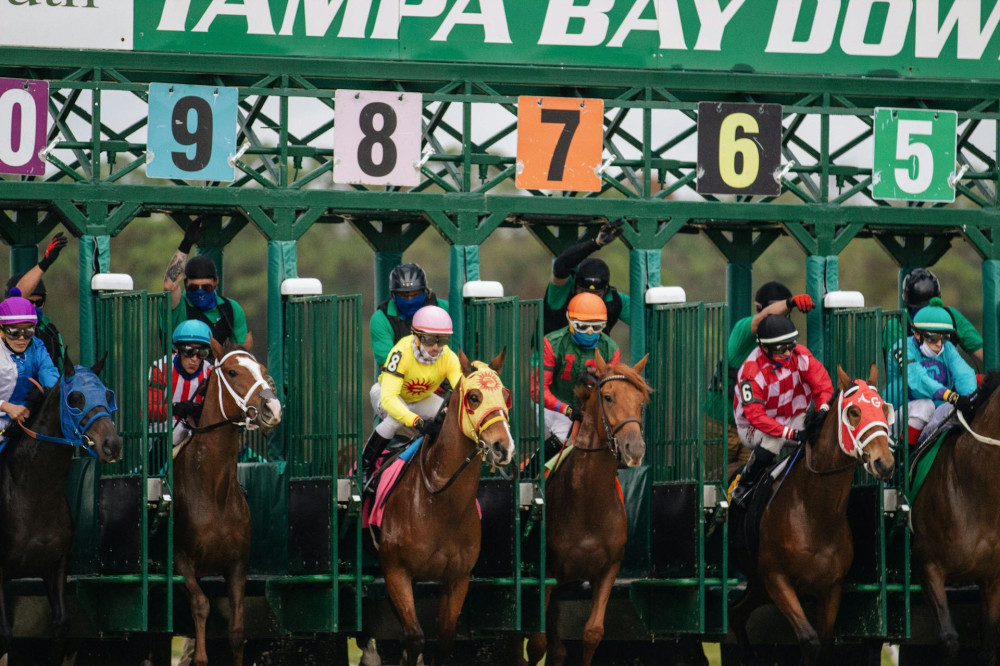
- The Start – In Thoroughbred racing, horses begin from starting gates that open simultaneously. In harness racing, a moving starting car helps line up the field.
- The Race – Horses compete over a set distance, usually between five furlongs (⅝ mile) and one and a half miles.
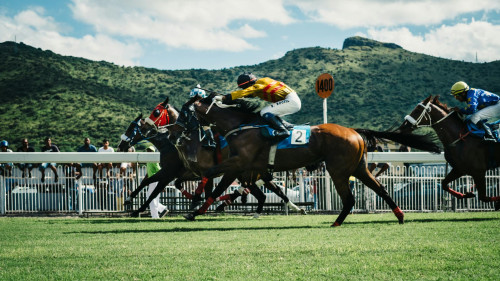
- The Stretch Run – The final straightaway where the pace quickens and the crowd roars as the leaders battle for the finish.
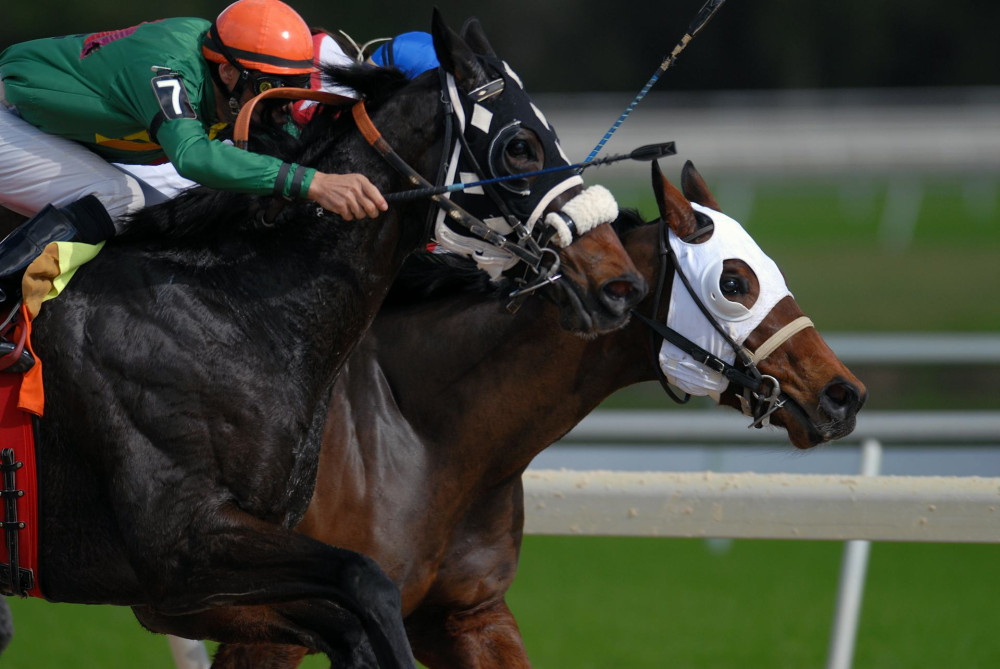
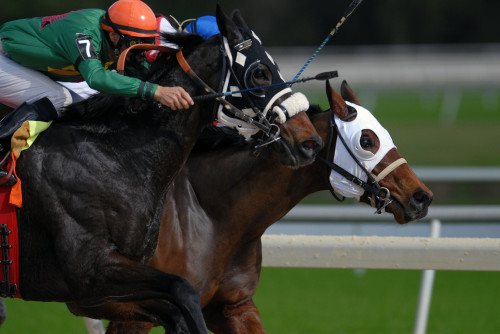
- Photo Finish and Results – When races are close, a photo finish determines the official order. Afterward, horses are cooled down and checked by veterinarians.
The Spectator Experience and Betting
Horse racing is as much a social event as it is a sport. From the pageantry of the Kentucky Derby—complete with fancy hats and mint juleps—to local weekend meets at smaller tracks, the atmosphere is festive and welcoming.
Betting is a traditional part of the experience. Wagers can be placed on a horse to win, place (finish in the top two), or show (finish in the top three). More advanced bets combine multiple horses or races. For beginners, it’s best to start small and focus on learning how odds and payouts work. The thrill of cheering your chosen horse down the stretch is part of what makes the sport so captivating.
A Community Built on Passion
Behind every race is a community of people who share a deep love for horses—owners, trainers, jockeys, breeders, and fans alike. Many enthusiasts become involved by visiting local tracks, joining ownership syndicates, or volunteering at equine organizations.
Ultimately, horse racing is about more than speed and competition. It’s about the bond between human and horse, the respect for athletic excellence, and the timeless excitement of seeing these magnificent animals in motion. Whether you’re watching from the grandstand or the comfort of your home, horse racing offers a unique blend of tradition, thrill, and beauty that continues to capture hearts across America.
Læs også: